



[ad_1]
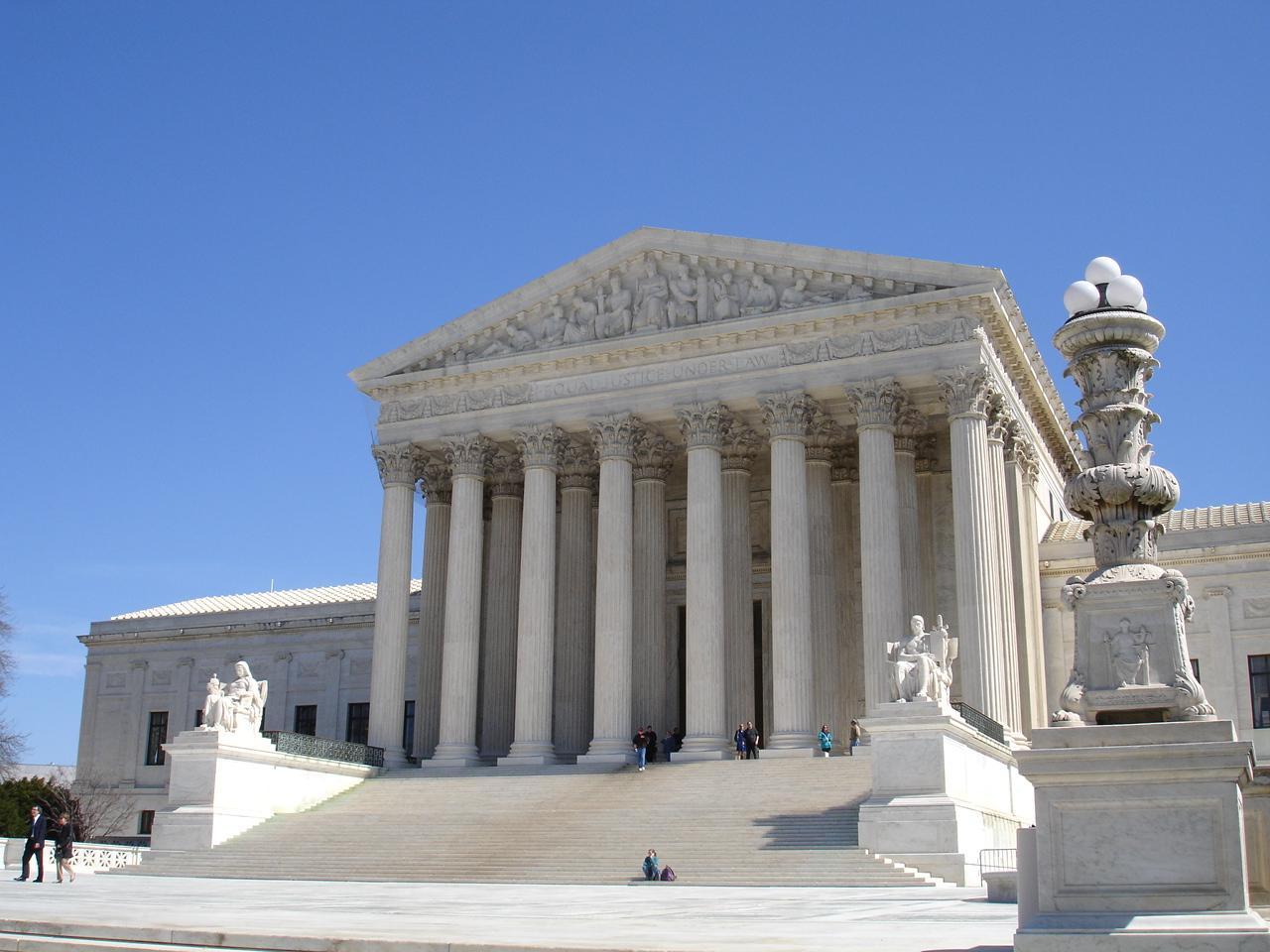
Four years ago, having successfully skirted the issue for years, the U.S. Supreme Court finally weighed in on the issue of the constitutionality of the Securities and Exchange Commission’s very handy in-house judicial system. In Lucia v. SEC, the court ruled 7-2 that the Lucia in question—an investment adviser the SEC believed had a habit of stretching the truth a bit about how thoroughly back-tested his strategies were—had a bone to pick with the agency, since the administrative law judge who found against him hadn’t been appointed by the Commission itself but by its staff, and was therefore improperly appointed. Crucially, it did not find that the SEC’s whole administrative law system, and by extension those of every other federal agency, unconstitutional.
Of course, those subject to agency administrative legal proceedings under even properly-appointed ALJs feel the court didn’t weigh in on the matter quite heavily enough. They think that the whole thing is rotten, and point to a case decided eight years before Lucia—and therefore crucially available to the Supremes back in 2018, had they wished to use it to get rid of the whole system back then—that they believe make even a properly-appointed judge under Lucia unconstitutional because that ALJ is not directly fireable by the president, like the Fifth Circuit Court of Appeals says. And the Chief Justice seems to agree.
“This is a series of cases that are a constellation around some fairly basic propositions,” Chief Justice John Roberts said. “And to have it go over and over and over again, it does make the case about the need for direct resolution of a related claim pretty strong.”
Notably, however, Roberts and his fellow conservatives on the High Court, now augmented the replacement of one of the two dissenters in Lucia, Ruth Bader Ginsberg, by Amy Coney Barrett, don’t seem interested in a direct resolution of the question, “Are federal agency ALJs constitutional at all?” Instead, they seem inclined to allow those who think they aren’t to simply ask the question in federal court a bit earlier than they are currently permitted.
“What sense does it make for a claim that goes to the very structure of the agency having to go through the administrative process?” Justice Samuel Alito asked.
Good question, Sam. A good follow-up might be, “What sense does it make for a claim that goes to the very structure of an agency to make it all the way to the Supreme Court, only for the court to rule not on that structure but on whether the claim against that structure should go straight to lower courts to begin the journey back up to the Supreme Court?” And yet that’s the way this thing seems likely to go, with the SEC, FTC and the rest of the initialisms in the gross position of being grateful to a credibly accused rapist for being allowed ALJs at all.
Justice Brett Kavanaugh, who could wield a pivotal vote, indicated he read the court’s precedents as offering a narrow way to resolve the cases. He suggested the court could rule for Axon and Cochran because their challenges are “wholly collateral” to the complaints filed against them by the agency.
“What I’m challenging and pushing back on is kind of throwing it all open again after decades of trying to figure out how these claims should be sorted out,” Kavanaugh told Garre. The possibility “causes me some concern, at least,” Kavanaugh said.
Supreme Court Hints It May Back Court Challenges to SEC, FTC [Bloomberg Law]
U.S. Supreme Court leans toward making challenges to FTC and SEC easier [Reuters]
For more of the latest in litigation, regulation, deals and financial services trends, sign up for Finance Docket, a partnership between Breaking Media publications Above the Law and Dealbreaker.
[ad_2]
