

[ad_1]
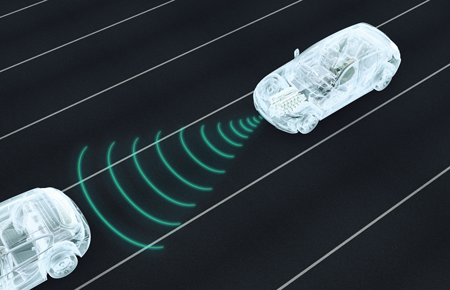
Image from Shutterstock.
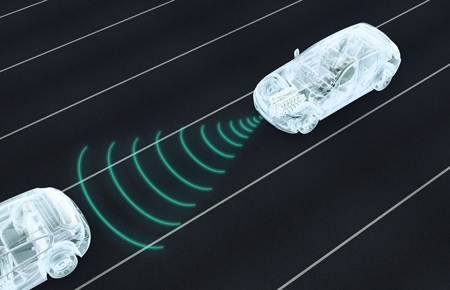
Four years ago, Damien Riehl, like many others, was quite bullish about the future of autonomous vehicles. The potential of the technology was obvious: No more worrying about someone trying to text and drive, no more need for drunken driving checkpoints, and no more danger of falling asleep at the wheel.
In other words, remove human error, negligence or recklessness from the equation, and cars would cease being an instrument of death and dismemberment. Plus, people could get from point A to point B and not have to look for parking because they could just send their cars home until they were ready to be picked up. Who couldn’t get behind that?


Since then, there hasn’t been much progress when it comes to driverless cars. According to CNBC, in October, Google’s driverless car program, Waymo, announced that it would roll out a taxi service in Los Angeles, although it wasn’t clear when or whether it would happen.
Most major car manufacturers have sunk hundreds of billions into developing and testing driverless cars; yet the finish line seems to be nowhere in sight. So what happened?
Riehl, currently the vice president of workflow and analytics content at Fastcase, joins the ABA Journal’s Victor Li to talk about why driverless cars haven’t caught on and what the future might hold for autonomous vehicles.
Riehl is a member of the Minnesota governor’s Council on Connected and Automated Vehicles, where he worked on updating the state’s rules, laws and policies relating to driverless cars.
See also:
ABAJournal.com: “Are driverless car searches constitutional?”

Want to listen on the go? Legal Rebels is available on several podcast listening services. Subscribe and never miss an episode.
Apple | Spotify | Google Play
In This Podcast:

Damien Riehl
Damien Riehl is a lawyer and technologist with experience in complex litigation, digital forensics and software development. Riehl has clerked for the chief judges of state and federal courts, practiced in complex litigation for over a decade, has led teams of cybersecurity and world-spanning digital forensics investigations, and has led teams in legal software development. An appointee of the Minnesota governor’s Council on Connected and Automated Vehicles, he has helped recommend changes to Minnesota statutes, rules and policies—all related to connected and autonomous vehicles. At Fastcase, Riehl helps lead the design, development and expansion of Fastcase’s various products, integrating AI-backed technologies to improve legal workflows and to power legal data analytics.
[ad_2]
