


[ad_1]
Share and speak up for justice, law & order…
(NPA) – Most police officers had some understandable skepticism about body-worn cameras (BWC) recording all of their activity. Despite the critics, the reason was not that police officers were afraid that all of their nefarious, violent, racist, and corrupt activity would be discovered. The reasons were much more practical.
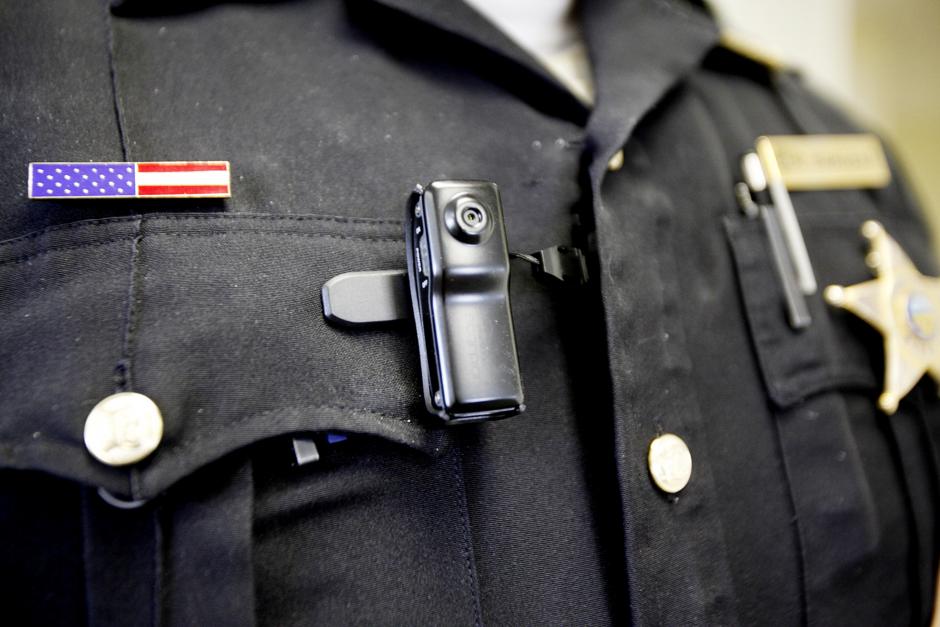
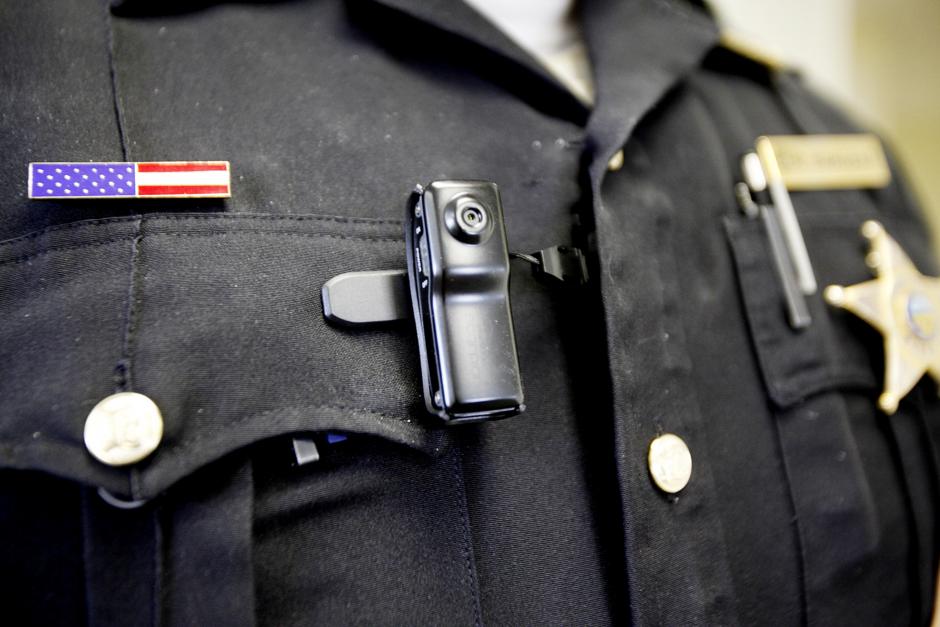
The cumbersome nature of being wired up for duty every day complicates the already tedious process of “donning and doffing” the patrol officer’s gear. In addition to the 30 pounds or so of ballistic vest, equipment belt, and other protective gear we now add batteries, cameras, microphones, and wires that must be threaded through the uniform depending on the type of camera used. Some types even get triggered to turn on when the sidearm is removed from the holster. Some are voice-activated, and some are tied to the car’s dash camera which gets activated when the overhead emergency lights are switched on. Most must be switched on by the officer according to department policy when making a citizen contact of some sort or engaging in other activity.
Keeping equipment attached and intact during a struggle with a suspect or physical activity like a foot pursuit or rushing to a rescue is a concern when getting into uniform. An officer has a lot on their equipment belt including their radio, keys, and other items. Cell phones may be secured in pockets or attached to the shoulder epaulets where a microphone may be located. Add a camera and you have a lot of things just itching to fall off during a fight or chase. Remembering to hit the on switch when someone is shooting at you might possibly slip one’s mind, but would not be forgiven as a breach of policy.
Another concern is privacy, and not the officers’, but the citizens. Even advocates of BWC recognize that citizens may be less likely to approach officers with information or requests, believing that it will all be recorded. Victims may be less likely to want to have officers in their homes with the possibility that their chaos might be on the evening news or YouTube.
Officers also know that life on the streets can be rough. That means harsh language, the use of force, and chaotic and tragic scenes will be subject to review. The idea that the police help shield the general public from the gory and awful aspects of tragedy has simply gone away. A morbidly curious and voyeuristic public will want to see what no one should have to see.
Officers know that the camera does not see and hear everything at a scene but that a jury will think that it does. A camera cannot see what the officer’s eyes see. It cannot perceive with the experienced and trained brain of a first responder all the nuances of human behavior that go into an officer’s decision to arrest or not. It cannot detect the mood of a hostile crowd or a threatening bystander.
Although not the immediate concern of the officer on the street, police administrators must calculate the high cost of retaining hours and hours of video as potential evidence. Investigators must review hours of video, determine what must and must not be released to the public, and arrange for the blurring of images of persons in the video whose identities must be protected.
Despite all of these challenges, BWCs have been accepted by officers as a great asset. Several studies have shown that officer behavior has not been dramatically affected by being tethered to a prying eye during their work day. Importantly, research shows that the BWCs have affirmed the remarkable professionalism, lawful conduct, and restraint that is a hallmark of quality policing. For those critics who were hoping for a “gotcha” moment to prove all of the fantasies that cops are universally inept and corrupt, there has been nothing but disappointment to find that thousands of law enforcement officers are doing amazing work every day.
This article originally appeared at The National Police Association.
Share and speak up for justice, law & order…
[ad_2]
