


[ad_1]
Tips to help you take care of your heart
Did you know that four out of five traffic cops have high blood pressure (HBP)? Did you know that HBP tends to be presumptive IOD for sworn personnel? Do you know how to correctly monitor your blood pressure at home?
HBP is the silent cop killer. Catch this bad guy by managing the health factors in your life.
The new American Heart Association checklist offers a measure of cardiovascular health. The inclusion of sleep reflects the latest research showing that the quantity and quality of your sleep impact your overall health, including how you manage health factors in your life.
Cardiovascular health checklist
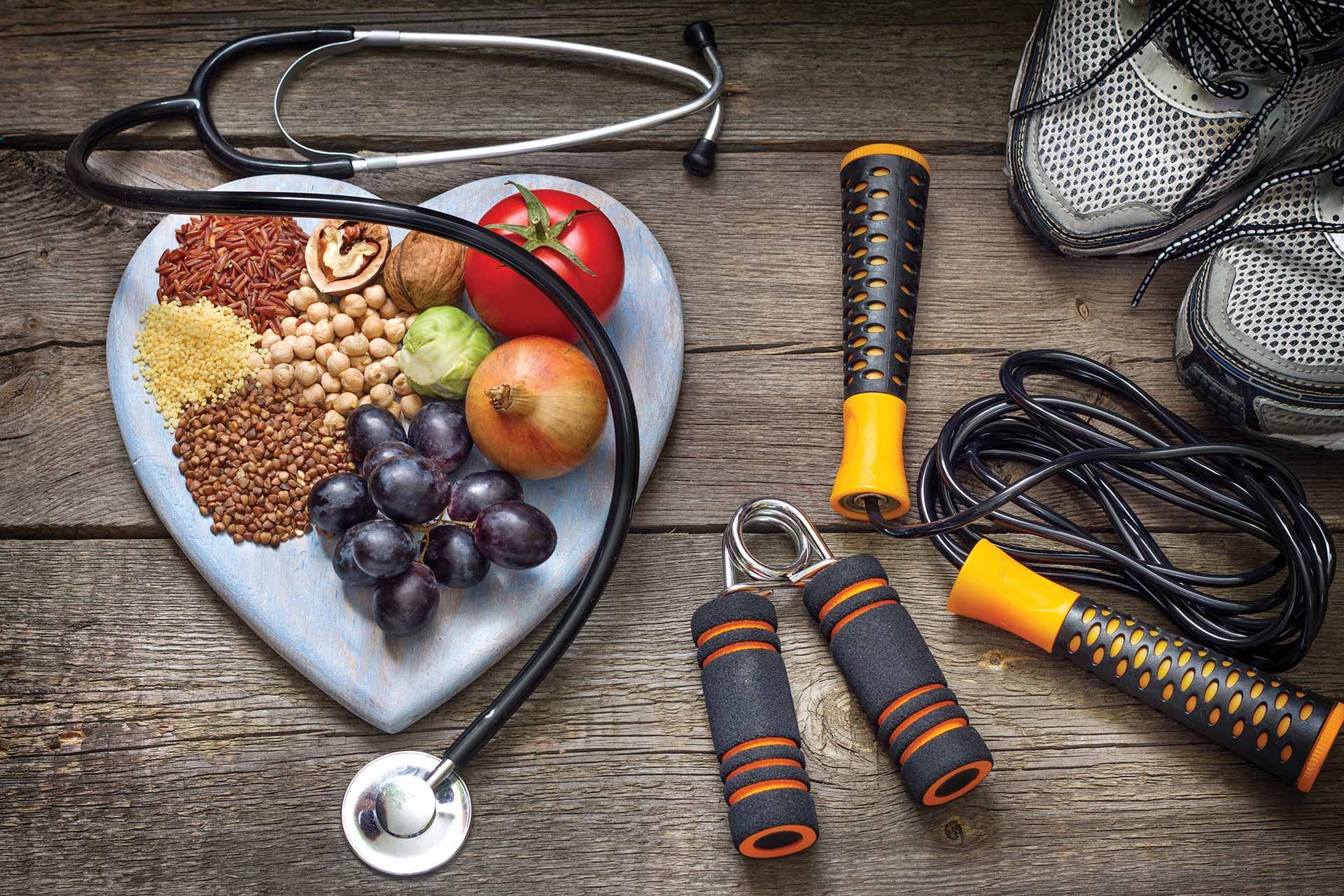
- Eat better. Think plant-based whole foods (e.g., fruits, vegetables, nuts and nut butter, seeds, beans, legumes, whole grains). If what you’re eating is processed, packaged, artificial or otherwise not natural to the planet, you might choose your battles wisely. Do you think that’s not manly enough for you? Just ask MMA fighter James Wilks, F1 champion Lewis Hamilton, ultrarunner Scott Jurek, ironman Rich Roll, NBA star Kyrie Irving, activist and athlete Colin Kaepernick, Olympic weightlifter Kendrick Farris, NFL linebacker Derrick Morgan and so many other elite, high-performance vegan athletes.
- Be more active. Adults should get at least two-and-a-half hours of moderate exercise a week, but 60 minutes a day of vigorous cardio is ideal for cops, particularly as a vaccination against critical incident stress lurking around the corner that has yet to rear its ugly head. This is what builds psychological resilience.
- Quit tobacco. Within one year of quitting, your risk of heart disease is cut literally by half. So if you need help dealing with urges, handling stress, getting support for quitting or sticking with the new you, consult with your department or EAP psychologist.
- Get healthy sleep. What is the number-one predictor of your effectiveness on the job and in life today? Eight hours of consolidated (non-interrupted) sleep last night. Adequate sleep promotes healing, improves brain function and reduces the risk of chronic diseases. If you are getting less than seven or more than nine hours of sleep a night as an adult, stop and consider what is going on. Although it is true that many cops burn the candle at both ends, we also know that many cops die before their time, and that is one of the main reasons that HBP tends to be presumptive IOD.
- Manage weight. An optimal BMI tends to be 25 (although, of course, nothing is absolute). If you need to lose weight, it all comes down to burning more calories than you consume. If you need help controlling portions, getting active, eating smart or getting help achieving your goals, consult with your department dietitian.
- Control cholesterol. Cholesterol is produced in the body, and it also enters the body via the food you eat. The “good” cholesterol (HDL) helps keep the bad cholesterol (LDL) from sticking to artery walls and allowing plaque to build up. If you need help eating smart, moving more, eliminating nicotine and/or taking meds as prescribed, consult with your department or EAP psychologist.
- Manage blood sugar. Most of the food you eat turns into blood sugar (aka, glucose), and your body uses this as energy. Over time, however, high levels of blood sugar damage your heart, kidneys, eyes and nerves. This is why diabetics check and monitor their A1C (a simple measure of your blood sugar over a three-month period). You now see cops wearing continuous glucose monitors (CGMs) on their upper arm, which allows them to check their blood sugar 24/7 to better understand how their body is responding. Continuous glucose monitoring has been very effective and becoming increasingly popular for serious (even non-diabetic) athletes who want to enhance their performance. Just ask NFL tight end Mark Andrews, soccer player Jordan Morris, racecar driver Charlie Kimball and others.
- Manage blood pressure. Keeping your blood pressure within acceptable ranges can keep you healthier longer. Levels less than 120/80 mm Hg are optimal. High blood pressure is defined as 130–139 mm Hg systolic pressure (the top number in a reading) or 80–89 mm Hg diastolic pressure (bottom number).
How to correctly monitor blood pressure
Before. Thirty minutes before checking your BP, you shouldn’t smoke, drink caffeine or exercise. All of these can raise your BP. Five minutes before, just sit still and chill.
During. Sit upright. Back straight. Feet flat on the floor. Make sure the cuff fits and the bottom of the cuff is directly above the elbow bend on your upper arm. If the cuff is too small, it can produce a higher BP reading. Keep your cuffed arm on a flat surface at heart level. Remain mindful in the stilled silence. Refrain from talking and checking your phone.
After. Wait one minute and retake your BP. Log the average. Share the log with your MD. Follow through with your annual physical exam.
Take good care of your heart. Your family needs you. The community needs you. The world needs you now more than ever.

Dr. Stephanie Barone McKenny
[ad_2]
