


[ad_1]
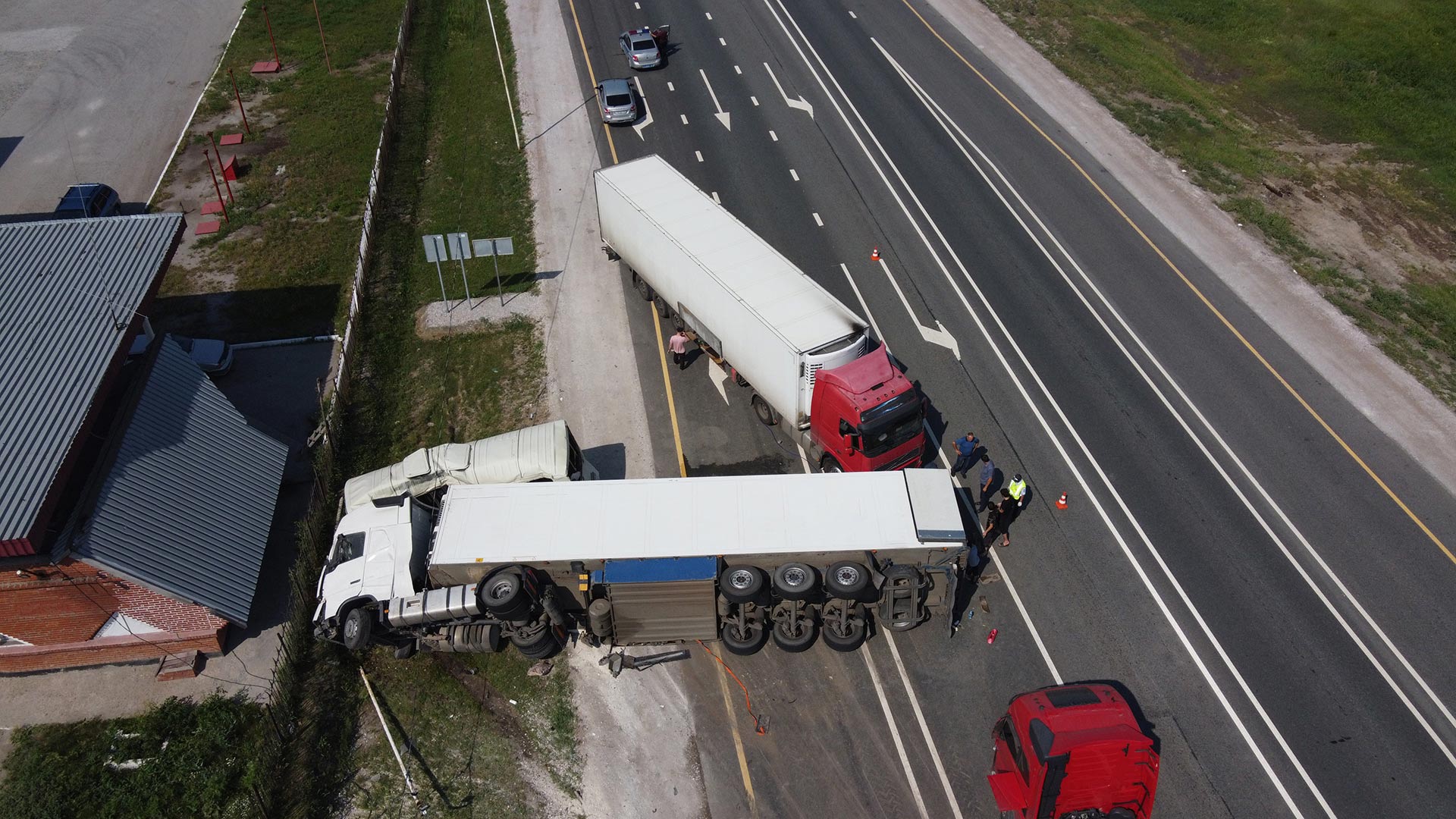
Law enforcement agencies have adopted drone technology in recent years for a variety of purposes, including for search and rescue missions, missing persons investigations, pursuing suspects and investigating crime scenes. For the Nebraska State Patrol, drones are proving a useful means of improving traffic safety and flow after vehicle accidents and cutting down on road closure time.
In 2020, the agency’s average road closure time for investigations following an accident was two and a half hours. With drones, that time has been cut down to less than 45 minutes in 2022.
According to NSP spokesperson Cody Thomas, crash investigations require a lot of mapping, including measuring skid marks, locating debris and determining the points of impact. Drones give officers a bird’s-eye view of the crash site, which is incredibly helpful.
“The two-dimensional image provides us with a measurable crash scene that can allow investigators to determine how fast a vehicle was going, the point of impact and the vehicle dimensions,” Thomas told the North Platte Bulletin. “On average, we can clear a scene two to four hours sooner. Using the drones speeds up the entire process.”
NSP estimates that efficiency increase from drones saves roughly $2 million a year. It also makes the roads safer by not having to divert traffic for lengthy amounts of time into areas not designed for it, which can cause further accidents. In addition, it allows law enforcement to spend less time on the scene, reducing the danger of officers being struck by passing cars.
“The faster we can get things cleared up … the better off it is for everybody involved,” Sergeant Justin Grint told KMTV news.
The NSP has 35 licensed operators, known as “forensic mappers,” in its two-year-old drone program. It also uses the aerial technology to fight wildfires by locating hot spots and providing firefighters on the ground with an aerial view of the fire. The department has both standard and thermal drones (useful for nighttime search and rescue missions) that are manufactured by Autel Robotics. The troopers control the standard drones using an app on their phones, while the thermal drone has a separate controller providing a larger screen.
Recently, the NSP used drones to investigate a plane crash that occurred on January 7 near Lee Bird Field in North Platte. Drone operator Trooper Martinez remotely piloted the drone to take more than 300 photos of the crash site from above, which were used in a report by the Federal Aviation Administration.
The NSP said it’s using its drone pilot program to help recruit applicants on social media. One of the agency’s drone operators, Trooper Seth Olson, explained the training and skills involved in the role to the North Platte Bulletin, noting that the agency’s forensic mappers must have a remote pilot license from the FAA.
“I went to a week-long, basic flight training, had extensive training in the software programs and must complete continuing education training regularly,” Olson said. “The training I just completed involved low light search and rescue.”
While it’s not a traditional area of expertise for law enforcement, Olson finds operating the technology rewarding. “I didn’t expect to become a drone pilot when I chose to become a state trooper, but I really enjoy it,” he said.
[ad_2]
