
[ad_1]
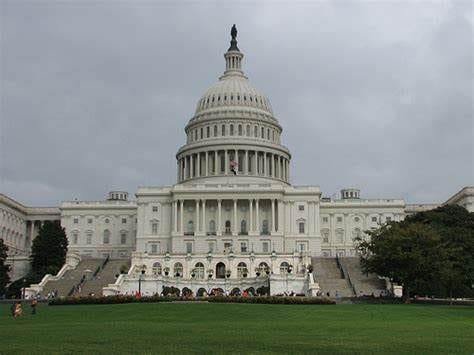
For years the United States (US) has been employing extraterritorial jurisdiction to impose oppressive sanctions on foreigners. Often, these sanctions violate due process rights because they are imposed without providing individuals with adequate notice, a fair hearing, or an opportunity to challenge the designation. The US has the authority to freeze assets, ban travel, and place other restrictions on financial transactions. This significantly impacts an individual’s human rights as the freedom to travel, freedom to work, and freedom to have privacy. Targeting individuals abroad for alleged activities that occurred outside of the US makes it evident that these restrictions are over-complying out of fear, a fear which is rooted in ethnophobia. Many Americans fear immigrants are taking their jobs, and sanctions like this only bolster this. Arbitrarily depriving someone of their property based on where they are from is an inherent violation of human rights. Unilateral coercive measures like the Global Magnitsky Act, Specially Designated Nationals and Blocked Person List, and Office of Foreign Assets Control sanctions have a disproportionately negative effect on international people.
Global Magnitsky Act
The Global Magnitsky Human Rights Accountability Act authorizes the president to block or revoke the visas of certain “foreign persons” (both individuals and entities) or to impose property sanctions on them. People can be sanctioned (a) if they are responsible for or acted as an agent for someone responsible for “extrajudicial killings, torture, or other gross violations of internationally recognized human rights,” or (b) if they are government officials or senior associates of government officials complicit in “acts of significant corruption.” It was enacted as a deterrent for foreign political corruption but instead was a catalyst for arbitrary detention and arrests without due process. There is a lack of transparency and little to no evidence provided to justify designating individuals under the Act. UN Special Rapporteur Alena Douhan concerned about human rights violations states, “This is a clear violation of due process rights, including the presumption of innocence and fair trial.” The Act allows the US government to impose sanctions on individuals accused of human rights violations and corruption but does not provide them with a fair opportunity to challenge these allegations. Though it serves the purpose of preventing acts of terrorism and maintaining foreign accountability, the language is not concise enough to prevent arbitrary detentions or sanctions.
Specially Designated Nationals and Blocked Person List
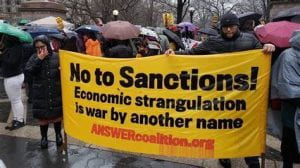
The SDN list is updated regularly with the names of individuals, entities, and organizations deemed to be involved in a range of criminal activities such as terrorism, narcotics, or arms. Therefore, US nationals are prohibited from engaging in any form of transaction with SDNs. Based on similar provisions under the Patriot Act, the government can block all of an individual’s or entity’s assets in the US. Similar to Magnitsky, there are concerns over transparency and due process violations. There have been inconsistencies in the way that individuals and entities are designated on the list, including cases where some individuals or entities are designated while others engaged in similar activities are not. Since the process behind the designation is not made public, it begs the question what is the real intention behind this decision and are there any underlying motives? Also, the list is public which subjects the individuals on the list to political abuse by targeting people that are seen as political opponents or rivals, rather than based on evidence of wrongdoing. “This is a clear violation of due process rights, including the presumption of innocence and fair trial, “ The Special Rapporteur observed.
Office of Foreign Assets Control Sanctions
OFAC is an office of the U.S. Treasury that administers and enforces economic and trade sanctions based on U.S. foreign policy and national security goals against targeted individuals and entities from foreign countries. OFAC sanctions can have unintended consequences and harm innocent parties, such as businesses or individuals that have no connection to the sanctioned entities or countries. The exterritorial reach the US has over foreign businesses is overt and unnecessary. Similar to the other legislation, there is a significant gap in knowledge between the government and the individuals affected. They do not know what they have done that has caused them to be targeted. The affected parties have no way to challenge these accusations if they are not aware of what they have done wrong, thus hindering the due process. The UN expert mentioned how human rights are infringed upon when US trade sanctions against specific countries penalize foreign companies for doing business.
Revaluate
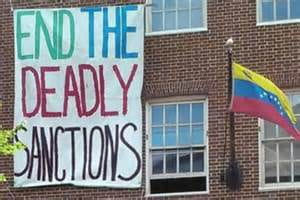
While these laws are in the interest of national security, we need to reevaluate if their ability to reach their intended goals or if have they just enforced discriminatory, biased legislation. There are concerns about their impact on innocent parties, lack of transparency and due process, extraterritorial reach, and potential for abuse. These are important factors to consider when evaluating the country’s presence in foreign entities. It is important to incorporate human rights protections in the sanctions the government passes because they affect international relations, global human rights, and the preservation of American ideals of democracy and equality.
[ad_2]