


[ad_1]
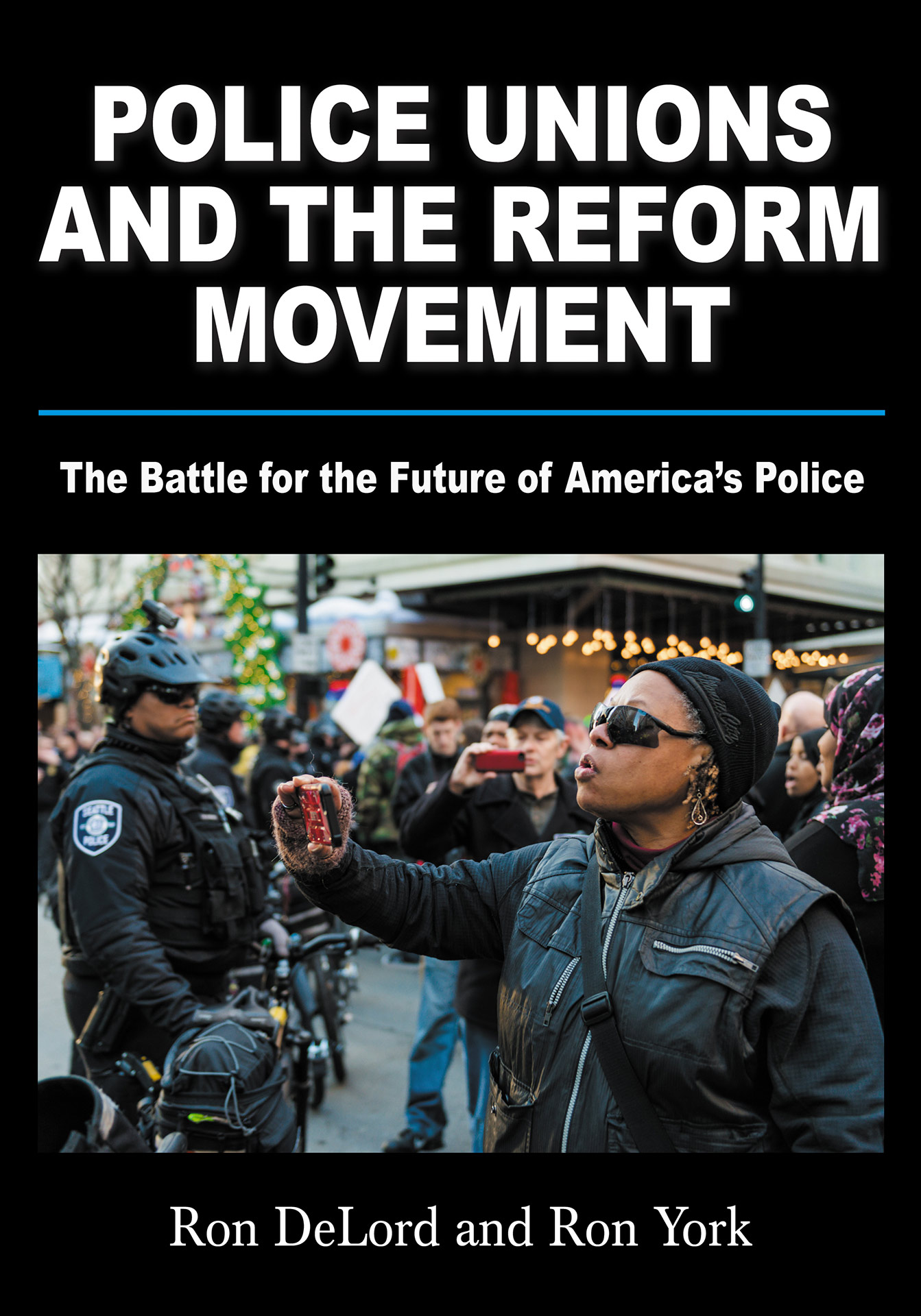
Ron DeLord’s latest book, Police Unions and the Reform Movement, should be required reading for police union leaders. The overriding message from DeLord, along with Ron York and an impressive group of co-authors, is a simple one: Police unions need to be an integral part of the communities they serve.
No longer can police unions sit on the sidelines, uninvolved in politics and community affairs. If they are to be successful, indeed if they are to survive in a meaningful form, they must become involved in every way possible.
That means, DeLord and company argue, that police unions need to build relationships. Relationships with elected officials in their communities. Relationships with opinion leaders and with civic and business groups. Relationships with politicians from both sides of the political aisle. Relationships with other unions. And most importantly, relationships with the citizens that the members of the police union serve.
No one pretends that outward-facing police unions will be an easy thing to accomplish. The effort means building and maintaining lines of communication with individuals with whom a union’s membership would fundamentally disagree about most issues. The effort also means time, a lot of it, as union members attend community meetings, have coffee once a month with a city councilmember, sit on the boards of local nonprofits, conduct charitable activities such as Shop With a Cop and meet on an informal basis with members of the media.
But the rewards are worth the effort. Consider the examples provided in the book by Peace Officers Research Association of California (PORAC) President Brian Marvel and Oakland Police Officers Association (OPOA) President Barry Donelan. Marvel justly points to PORAC’s successes on police reform efforts in the California Legislature, where the first drafts of reform bills would, if passed, have fundamentally changed policing in such a way that no rational individual would want the job. Because PORAC had worked for years with legislators of all political stripes, it was able to have meaningful discussions with legislators whose initial inclination would have been to support the bills. The end result? SB 230, a rational approach to use-of-force standards that codified Graham v. Connor.
As to Oakland, how can a police union possibly function in an environment that has seen 10 police chiefs in 10 years, has been in the grips of a consent decree that is older than many Oakland officers and has a political world that gives “dysfunctional” an entirely new meaning? Donelan, who has guided the OPOA for many years, has several suggestions, which all really boil down to the need to relentlessly communicate. In the political morass that is Oakland, the OPOA has become the reliable source for accurate information about policing in the city. That has meant delivering devastating messages about crime in the community, as well as positive reports of the work done by OPOA members.
Building relationships also impacts the results unions see when they are at the bargaining table for a new labor contract. If you’ve followed DeLord’s advice, there’s less chance you’ll be seen as an impersonal entity interested only in how much in the way of raises you’ll be able to wring from the employer. Instead, you’ll be seen for what you are, a collection of professional, caring, everyday people who have the civic commitment to be doing the hardest job in our country.
Will Aitchison
As seen in the April 2023 issue of American Police Beat magazine.
Don’t miss out on another issue today! Click below:
[ad_2]
