
[ad_1]
Asked and Answered
Attorney for Lawrence v. Texas reflects on LGBTQ rights on 20th anniversary


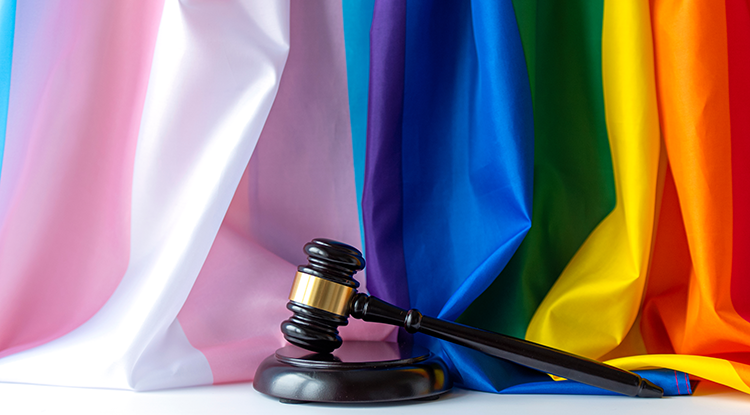
Looking back, lawyer Paul M. Smith says the 2003 U.S. Supreme Court case Lawrence v. Texas is his favorite case. Image from Shutterstock.
Because Paul M. Smith was the editor-in-chief of the Yale Law Journal, clerked for then-U.S. Supreme Court Justice Lewis F. Powell Jr. and handled various Supreme Court cases—including for paying clients—many thought that it made sense for the Washington, D.C., lawyer to argue Lawrence v. Texas, which led to a 2003 landmark opinion that struck down state laws criminalizing sexual conduct between consenting adults of the same gender.
But there was something else about Smith, then a partner at Jenner & Block, that at the time was somewhat unusual for the Supreme Court bar—he was openly gay.
Almost 20 years before Lawrence, the Supreme Court upheld state sodomy laws in Bowers v. Hardwick. Gay lawyers in states with same-sex sodomy laws ran the risk of being arrested before Lawrence, Smith says, and even in jurisdictions without such laws, sometimes there was a sense that being gay could hurt business development and career opportunities.
Smith doesn’t know whether the justices who heard Lawrence knew that he was gay. At the time, he was out to family and friends. But it seemed like after June 26, 2003, when the opinion was published, the whole world knew, as his orientation was often mentioned in news coverage of the case. Winning the landmark case expanded Smith’s Supreme Court practice, he says, and looking back, Lawrence is his favorite case.
Send ideas for future episodes to ABA Journal Senior Writer Stephanie Francis Ward.
See also:
ABAJournal.com: “For some parties in LGBTQ landmark cases, June 26 is a special day”

Want to listen on the go? Asked and Answered is available on several podcast listening services. Subscribe and never miss an episode.
Apple | Spotify | Google Play
In This Podcast:
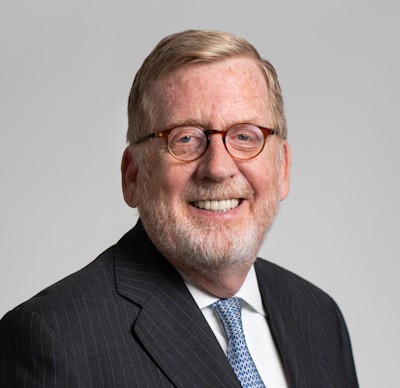
Paul M. Smith. Photo by Casey Atkins via the Campaign Legal Center.
Paul M. Smith, senior vice president at the Campaign Legal Center, has argued 21 U.S. Supreme Court cases. And before joining the nonprofit ethics and voter rights organization, he chaired Jenner & Block’s appellate and Supreme Court practice. Besides Lawrence v. Texas, Smith argued Brown v. Entertainment Merchants Association, which established First Amendment rights of those who produce and sell video games, and various voting rights cases, including the gerrymandering cases Vieth v. Jubelirer and Gill v. Whitford.
[ad_2]