


[ad_1]
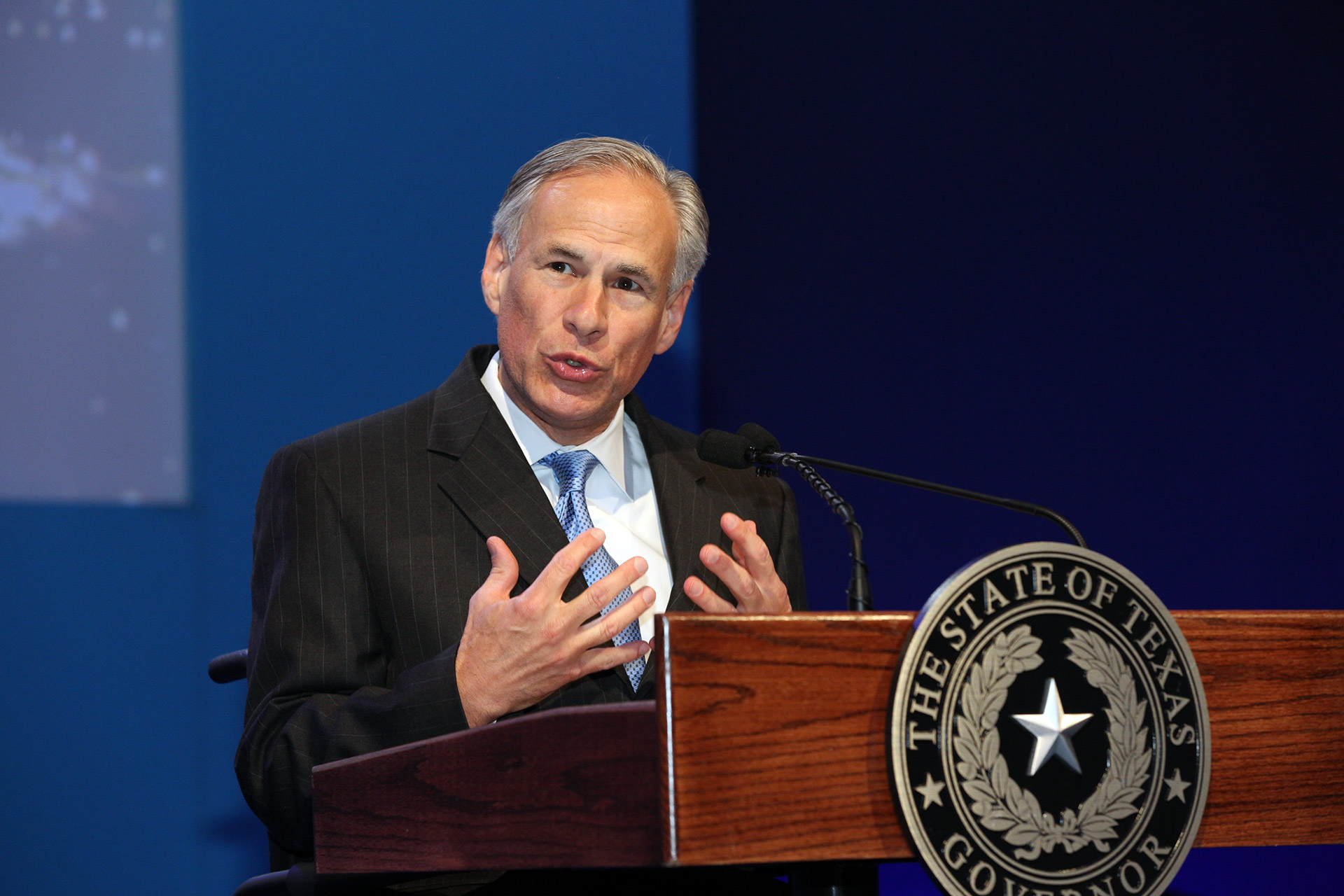
Texas Governor Greg Abbott has signed a comprehensive law enforcement reform bill to expand the authority of the Texas Commission on Law Enforcement (TCOLE), which establishes standards for law enforcement hiring, licensing and the creation of new departments.
The legislation, introduced by Senator Angela Paxton, was formulated after years of work and recommendations from the Sunset Advisory Commission, and aims to address the limitations of TCOLE’s existing authority while strengthening accountability measures within the law enforcement profession.
While law enforcement entities generally supported the bill, some union executives worried it can remove due process protections for officers who receive negative reports on their file.
The Combined Law Enforcement Associations of Texas (CLEAT), one of the state’s largest police unions, was optimistic about the legislation’s impact.
“After three years of work and a fight bigger than Texas, we finally passed a TCOLE Sunset bill that advanced the profession in a positive direction,” CLEAT Public Affairs Director Jennifer Szimanski said. “A bill that places value on rank-and-file officers and recognizes that the advancement of professional standards is of the utmost importance. We look forward to updating our membership on the work our public affairs team did to get this bill in its final form.”
Texas 2036, a nonpartisan advocacy organization, was also involved in the legislative process and supported the bill’s improvements to TCOLE.
Luis Soberon, who led the organization’s study on TCOLE’s role in law enforcement, said the legislation “makes excellent progress toward building the public’s confidence in law enforcement and establishing a regulatory structure rooted in good data, transparency and accountability.”
“Texans, and the men and women of law enforcement who serve them, deserve nothing less than that.”
However, concerns were raised by Kevin Lawrence, the executive director of the Texas Municipal Police Association (TMPA), another major police union in the state.
Lawrence believes that the legislation does not address all necessary aspects and fails to include a blue-ribbon panel recommended by the Sunset Commission for further review of TCOLE. He also expressed worries about the potential removal of due process protections for officers with negative reports in their personnel files.
“We’re going to have to wait and see — I guess pretty much like all legislation — whether or not it has any real impact,” Lawrence said. “We are concerned that the changes to the F-5 process basically take away what little due process a lot of our cops have currently. That will be gone.”
One significant aspect of the bill is the establishment of a new misconduct reporting system and the requirement for a licensing status database.
The bill eliminates problematic discharge separation categories on the F-5 report, replacing them with detailed information on an officer’s separation in their personnel file.
In addition, the legislation introduces minimum standards for law enforcement departments, including policies related to community benefit, sustainable funding sources and physical resources. It also mandates that TCOLE adopt policies for psychological and medical examinations of license holders to ensure their ability to perform duties.
Furthermore, TCOLE will maintain a confidential database containing license status, disciplinary actions and personnel files of officers. A publicly accessible database will provide basic license information for all officers, excluding certain undercover officers.
TCOLE will also collaborate with national law enforcement databases for pre-employment background checks and submit license revocations to a national registry.
According to the bill, law enforcement agencies will be required to crosscheck the national database before hiring new officers to ensure previous licenses were not suspended or revoked in other states for actions that would result in disciplinary action in Texas.
TCOLE will also adopt model policies for investigating misconduct and notifying officers about negative records in their personnel files, and grants TCOLE emergency suspension power of an officer’s license if there are immediate threats to public health or safety.
The legislation will take effect on September 1.
[ad_2]
