


[ad_1]
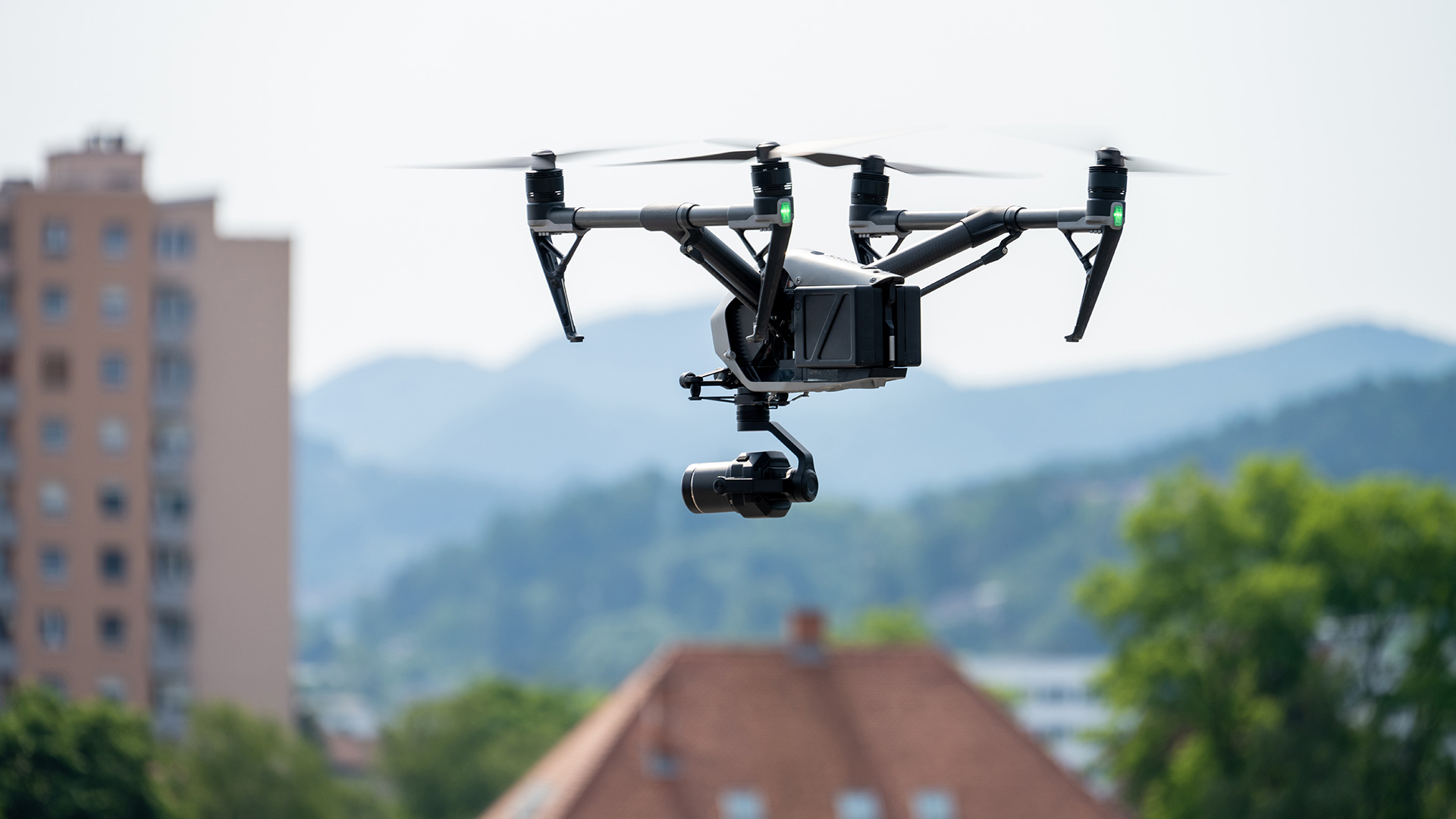
In the era of expanding surveillance technology, Michigan law enforcement agencies are using drones to enhance remote policing.
In 2015, the Michigan State Police became the first law enforcement agency in the nation to use drones for policing. Now, around 1,400 agencies nationwide have implemented regular drone usage, leading to concerns over privacy, ethics and constitutional rights.
In Michigan, the debate surrounding drones and privacy has come to the forefront amid a civil case brought by resident Todd Maxon before the Michigan Supreme Court. In the complaint, Maxon alleged that Long Lake Township in Grand Traverse County violated his privacy rights by capturing images of his 5-acre property without a warrant, which were used as evidence against him in a zoning dispute.
Experts believe the case could set a precedent for the constitutionality of drone use in criminal investigations.
J. Richard Broughton, a criminal law expert at the University of Detroit Mercy Law School, predicts that the drone surveillance debate will have significant ramifications when it comes to Fourth Amendment rights and trespassing violations.
Bob Stevenson, executive director of the Michigan Association of Chiefs of Police, argued that misinformation surrounding drone use has led to exaggerated public fears. He advocated for public education and safeguards surrounding the new technology.
“If they need to have some safeguards built in, we don’t have any objection to that,” Stevenson told the Detroit News. “But we do object to throwing the baby out with the bathwater.”
Jay Stanley, senior policy analyst with the American Civil Liberties Union Speech, Privacy and Technology Project, raised concerns about the potential intrusive uses of drones.
“People are forced to live their lives knowing that there may be law enforcement in the sky watching them at any time when they’re outdoors,” Stanley said. “I think that that’s probably not how most Americans want to live.”
He also stressed the necessity of limitations and protections, including regulations on camera capabilities, flight frequency and locations. In addition, Stanley noted the importance of transparency regarding drone program performance and fiscal responsibility, adding that community members “who agree to spend public money on a drone program” should be able to know if “they are getting a good bang for their buck.”
The Grand Rapids Police Department recently acquired eight drones for $100,000. Chief Eric Winstrom conducted town halls to discuss their use and address public worries. While the department received overwhelming support, concerns about facial recognition technology and the use of artificial intelligence surfaced.
During the meetings, Winstrom assured the public that the department would not employ facial recognition software or AI operations. He also touted the benefits of drones in documenting crime scenes, searching for missing persons and enhancing public safety during large gatherings. Winstrom detailed an instance where drones helped expedite the process of documenting a homicide scene.
Despite these assurances, the ACLU’s Stanley cautioned that even without immediate use, drone footage could still be subject to post-processing with AI and facial recognition.
“This is entirely new territory, constitutionally speaking,” Broughton said. “There are a lot of open questions, and I think courts over the next decade are going to be grappling with a lot of issues.”
[ad_2]
