


[ad_1]
In a move aimed at enhancing transparency and accountability, the Houston Police Department (HPD) has announced a significant update to its body camera policy.
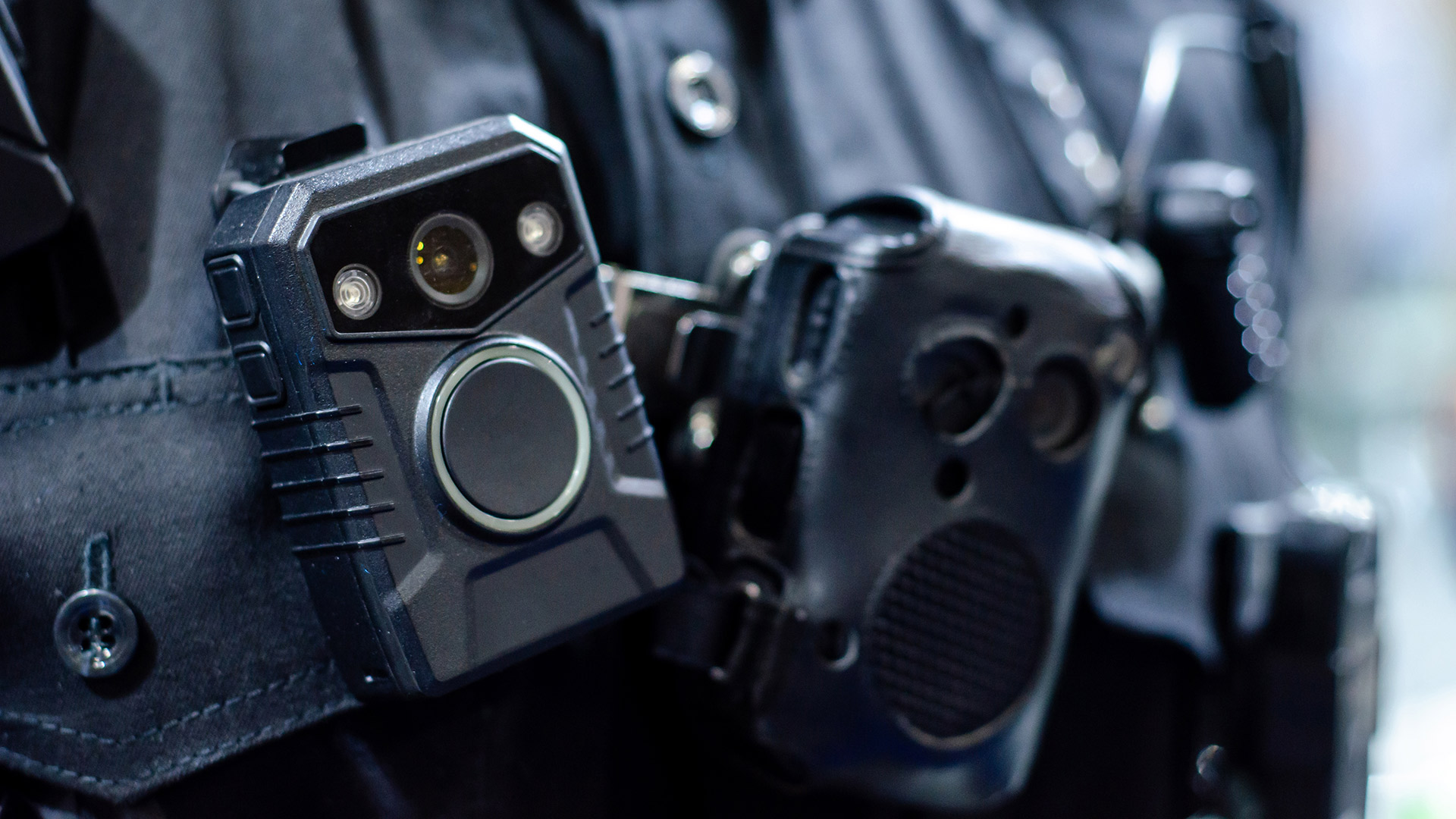
Effective since December but formally announced on January 22, officers’ body cameras will now operate with a “record after the fact” feature, allowing investigators to retrieve footage even if the camera wasn’t actively recording at the time of an incident.
Under the new policy, if an officer is involved in a critical incident such as a shooting, the body camera will automatically capture video recorded while in standby mode, providing additional footage for review.
While officers are still required to activate their cameras as per department policy, this feature aims to alleviate pressure on officers during high-stress situations and offer more transparency during reviews of incidents resulting in injury or death.
Houston Police Chief Troy Finner spoke on the importance of safeguarding officers while ensuring accountability.
“Most of our officers have done an extremely good job on capturing these incidents. However, it’s important that we safeguard our officers so they can concentrate on making the scene safe, protecting the public, and also themselves,” Finner told the Houston Chronicle.
The policy change follows months of discussion between the department and the Houston Police Officers’ Union, coinciding with the release of video footage depicting the aftermath of the December 17 shooting of Kevin Lyn Mitchell by Officer David Reinhold.
Notably, the footage from Reinhold’s body camera was not available, prompting ongoing investigation into why the camera wasn’t activated.
Regarding the policy update, Doug Griffith, president of the union, expressed his support.
“I believe the sooner we get out a video, the less the public has fear… Our union is one of few that believe that, in reality. I think it’s important to get it out there and to show our people are doing it right.”
While the policy is currently being drafted and not yet committed to writing, Finner clarified that the “record after the fact” feature is solely intended for reviewing police actions and not for continuous recording of officers’ activities.
Additionally, reviews of such footage must be documented in writing to ensure proper use and prevent potential disciplinary actions for improper reviews.
This policy update marks the first significant change to HPD’s body camera policies since 2021, when the department committed to releasing video footage of police shootings resulting in injury or death within 30 days of the incident.
The move toward increased transparency follows pressure on the department, notably after the 2020 shooting of Nicolas Chavez, which led to the firing and subsequent reinstatement of four officers.
In a related development, the Harris County Sheriff’s Office announced plans to equip all the county jail’s detention officers and law enforcement personnel with body cameras by the summer. The decision follows concerns over transparency and accountability in the wake of deaths in the Harris County Jail.
Civil rights attorney Ben Crump, representing families of individuals who died in the jail, welcomed the introduction of body cameras as a step toward transparency.
“We want transparency to see if the inmates did something wrong or to see if the jailers did something wrong,” Crump stated.
As these updates are implemented, stakeholders are hopeful that increased transparency will help address concerns and build public trust in law enforcement practices within the city and county.
[ad_2]
