


[ad_1]
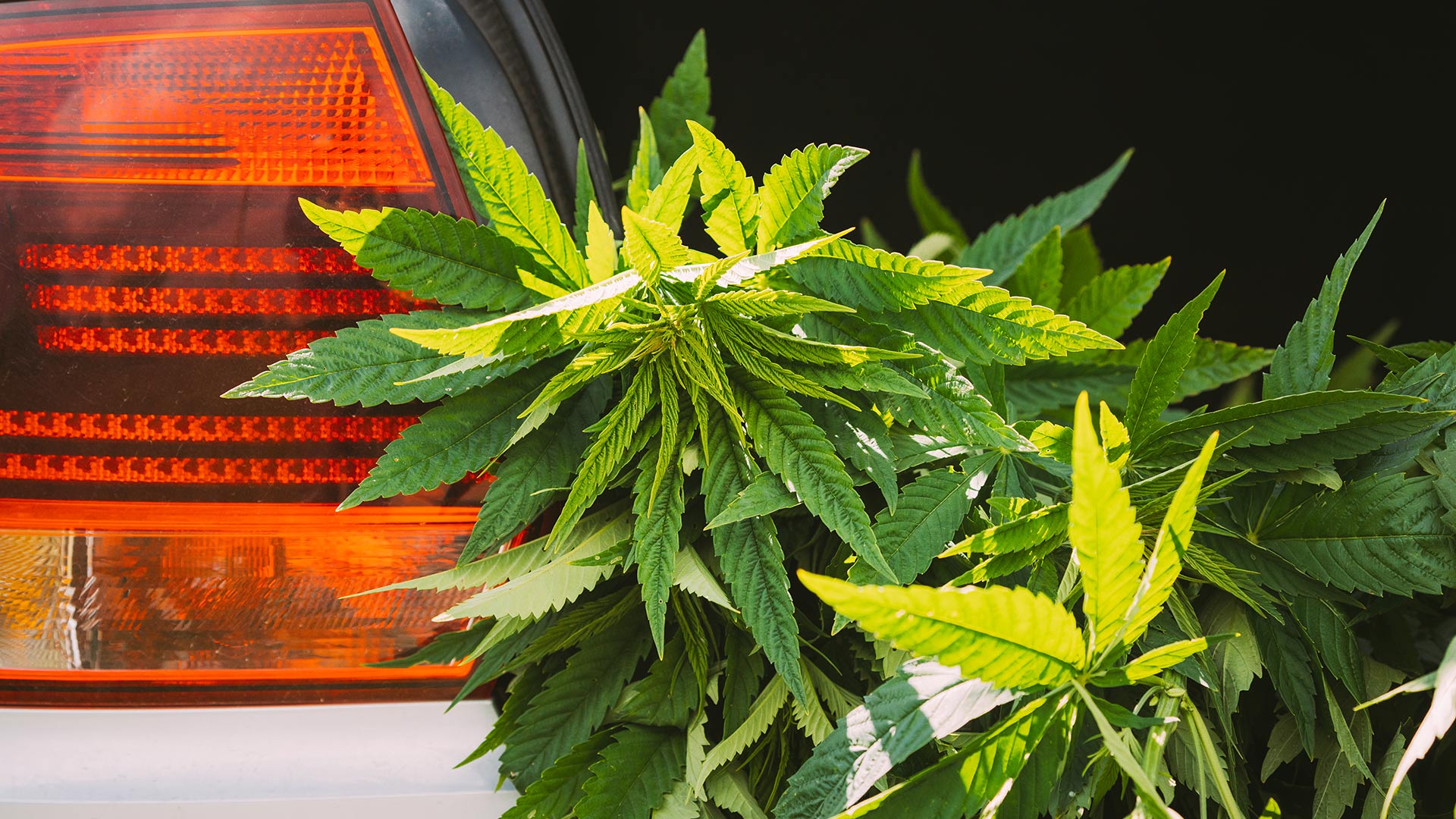
In an effort to reform current drug policies, a group of law enforcement leaders is calling on President Biden to reclassify marijuana to a lesser status under federal law.
The appeal, outlined in a letter from the Law Enforcement Leaders to Reduce Crime and Incarceration group, comes amid the evolving landscape of cannabis regulation in the United States and its impact on law enforcement practices.
The letter, signed by current and former police chiefs, sheriffs, federal and state prosecutors and correctional officials from across the nation, advocates for a recalibration of marijuana’s classification under the Controlled Substances Act (CSA).
Specifically, the group urges the Biden administration to reclassify marijuana from a Schedule I to a Schedule III substance, citing its lower potential for abuse compared to substances in higher schedules.
Acknowledging the shifting public opinion and the widespread adoption of legalized frameworks for cannabis across states, the letter points out that 38 states will have established some form of legalized framework by the end of the year.
This proliferation of state-level legalization, coupled with the existing conflict between state and federal laws regarding cannabis, poses significant challenges for law enforcement agencies in effectively addressing public safety concerns.
“We are concerned about how the direct conflict between state and federal laws that currently exists regarding the handling of cannabis makes it difficult for law enforcement to respond effectively to pressing public safety challenges,” the group wrote.
The call for reclassification echoes previous appeals from Democratic Senators and health officials to revisit marijuana’s scheduling under federal law.
Last month, a group of Democratic senators, alongside Senator Bernie Sanders, urged the Biden administration to completely deschedule marijuana, citing its adverse impact on communities and its misalignment with both state laws and public opinion.
“Marijuana’s placement in the [Controlled Substances Act] has had a devastating impact on our communities and is increasingly out of step with state law and public opinion,” the senators wrote.
The Department of Health and Human Services (HHS) previously recommended the reclassification of marijuana to Schedule III, also citing its lower potential for abuse and accepted medical use in the United States.
This recommendation was supported by scientific evidence indicating the therapeutic benefits of marijuana in treating conditions such as anorexia, pain and nausea associated with chemotherapy.
Furthermore, reclassifying marijuana could have far-reaching implications, including facilitating research opportunities, enabling cannabis businesses to operate more freely and addressing regulatory hurdles that currently impede the industry’s growth.
Twenty-four states, two territories and the District of Columbia have legalized cannabis for adult recreational use, and 38 states allow medical cannabis so far.
The final decision on marijuana’s scheduling rests with the Drug Enforcement Administration (DEA), which will undergo a rulemaking process inclusive of public comments before any scheduling action is finalized.
[ad_2]
